Questions? Thoughts? Concerns? Please reach out!

How excellent is your labor operation?

July 19, 2026
Written by:
By Peter Klapwijk
By Peter Klapwijk
Labor is one of the largest investments in greenhouse operations, and it might be one of the toughest to optimize. Slight differences in labor practices can have a significant impact on crop performance, quality, yield, and ultimately, profitability. All growers strive for consistency and efficiency, but how is your operation doing?
The importance of excellence in labor operations
Greenhouses growing the same variety of crops in similar conditions can experience very different production levels. Production levels can vary up to 25%. Climate, irrigation, light, and nutrition might be uniform across the board, but labor execution is an often-overlooked factor when analyzing performance.
Small differences in crop handling and pruning can accumulate over a season. When labor is consistent in de-leafing to ensure every plant has the same number of leaves and no shoots have kinks, plants are more likely to grow the same height and receive the same amount of light. This enables all plants to reach their full production potential.
Labor’s contribution to yield
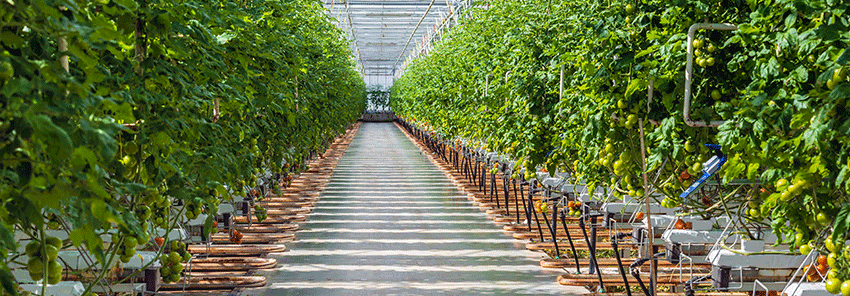
Getting tasks done is not the same as getting them done well. High-quality labor leads to consistency and accuracy, ensuring more predictable production and healthier plants.
High-quality labor means minimal disruption to plant growth. When you prune, move, or spray your plants, they stop growing. Depending on the trauma, plant growth can stop for between eight and 18 hours. When employees complete their tasks more gently, causing less agitation to plants, they will begin growing again sooner. Imagine only losing eight hours of growth instead of 18. Those extra 10 hours every time there are tasks to complete add up significantly over your season.
For this reason, investing in high-quality labor can lead to a high ROI. As mentioned, production levels can vary by 25% based on the quality of crops. Consider the increased profit at your operation if your production level reaches the higher end of the scale. You might choose to invest in more employees or more experienced employees at the start of the season to reap the benefits by the end.
Improving your labor quality
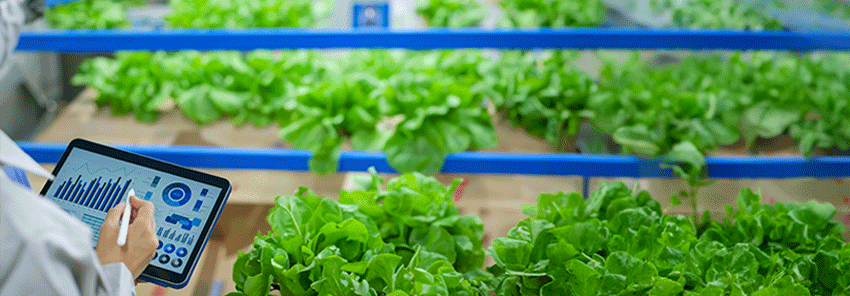
Labor quality can always be improved. That doesn’t mean you need to fire your workforce and hire more skilled laborers. The best way to improve labor quality is to invest in your employees and show them the impact of the quality of their work. Have your employees check themselves. Teach them to analyze their work, their speed, their accuracy, and consistency. How efficient are they? Have they remained consistent? Can they do better tomorrow?
When employees are invested in the outcome of their work, they are incentivized to improve it. Be sure to judge quality by measurable outcomes that employees can analyze for themselves.
Labor and plant distribution
Plant distribution is one of the first tasks for measuring labor quality. High-quality labor will set up a well-organized greenhouse with proper distribution. This means uniform spacing and equality among all plants. When every plant has the same access to light and receives equal airflow, irrigation, and nutrition, they will generally grow evenly, reaching equal heights and produce the same number of crops.
If plants are not equal, their load won’t be either. Some might be overloaded and some underutilized. This makes production unpredictable and less efficient. The most important way to maximize your greenhouse is to ensure equality.
Think about yield over cost
Labor is often considered a cost of operations. Costs should be reduced. But labor should be considered for its value. Labor is an investment for the future. A small increase in investment in labor could lead to a larger increase in yield down the line. Higher yield means higher profits and these profits can be reinvested in high-quality labor.
Focusing on yield rather than lowering costs is much more effective when trying to increase your profitability. If you focus on lowering costs, you might be sacrificing yield.
Equip your employees for success
High-quality labor requires the right tools. Using high quality tools makes consistency and efficiency much easier, and when labor is easier, employees can focus on making further improvements.
Reliable clips, hooks, and truss supports help employees work faster and more comfortably. They also support plants for optimal performance. For example, using Paskal’s RollerHooks ensures better spacing and gentler lowering as shoots grow long. This is less traumatic for plants, allowing them to continue growing faster after they are moved or lowered.
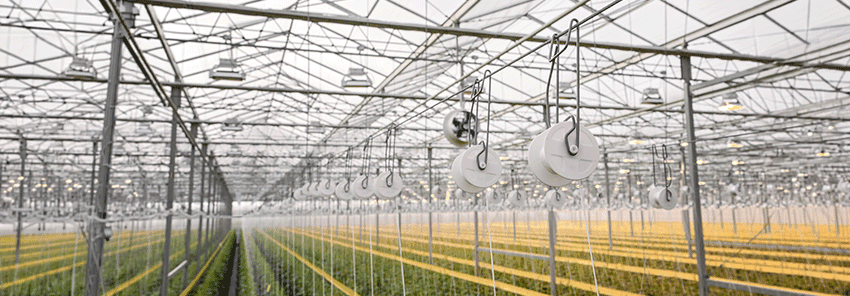
High-quality clips ensure there are no kinks, which could significantly hurt a plant’s growth, while truss supports protect stems from breakage under the weight of heavy crops.
Using the right tools and accessories ensures your employees’ hard work translates into success and helps you achieve the highest return for every hour of work.
How excellent is your labor operation?
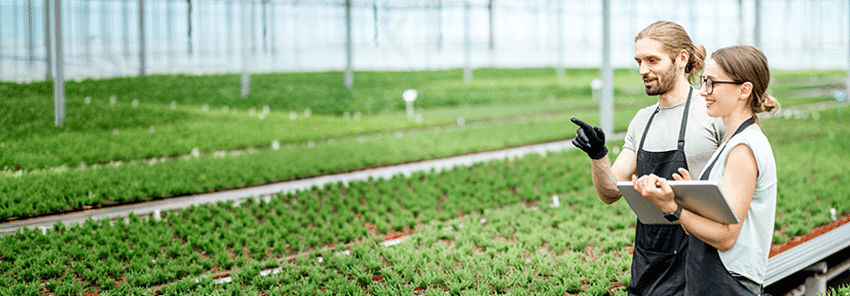
After reading this, you might think your labor operation is excellent, or maybe you’re worried it’s lacking. But either way, there is always room for improvement.
If you’d like to achieve more next season, start by measuring your baseline. Measure your practices, tasks, and yield, and check for any inconsistencies, inaccuracies, and inefficiencies. Once you’ve developed plans for addressing those, see where else improvements can be made. Get your workers involved, they might have innovative ideas for achieving excellence.
At Paskal, we’d love to see if we can help. If you’re interested in finding out more about how our products can improve your labor operations, please get in touch.